Sunday, 25 May 2014

May SuperFood of the Month is .......Teff!!!


I first learned about the nutritional benefits of Teff from the lovely Kathy Smart at The Gluten-Free Expo in Toronto a few weeks ago. She is an amazing women with a wonderful, allergen-friendly cookbook full of great ideas  and recipe for cooking in the kitchen. I highly recommend following her on twitter @Smart_Kitchen for more health tips.

Teff is traditionally used to make injera bread, a staple item in Ethiopian cuisine; injera bread is a spongy crepe that functions as a utensil to scoop up meats and sauces. Teff is high an iron, something many women, and celiacs, are deficient in, and also a good source of calcium, magnesium,
iron, B1, B2, B3 and zinc. Teff can easily be ground into flour and ¼ cup has 4 grams of protein and 4 grams of fiber. Use teff in place of regular flour as a thickening agent in soups, stews or gravies and as Kathy Smart says "It's delicious with chocolate. Teff flour and chocolate go together like peanut butter and honey.” Inspired by this quote, I was excited to come across the recipe below by one of my favourite food bloggers for a brownie recipe using teff and almond meal as the base.

I didn’t have any bananas so I added 1 egg instead but you could always keep the recipe vegan without this modification. I love all the added nutrition in this recipe from the nuts and fruit, and also reduced the maple syrup to 1/3 cup and it still tasted great! I have my eye on her new cookbook and am looking to add it to my collection soon.


I love my job as a manager for Pedalheads bike camps in the summer, but a strict nut/peanut free policy leaves me craving a big scoop of almond butter when I get home from work. To help get my fix before camp starts, I made a giant batch of these peanut butter teff cookies.
My current work schedule is pretty hectic and I needed a quick, high-energy  snack that would fit into my backpack and travel well. I replaced the oil with applesauce and cut down on the maple syrup in the following recipe for a delicious and chewy cookie


Next on my list is to try making my own homemade injera bread. I ate this weekly when living in Rwanda at my favorite restaurant called Lalibela. They put on a fabulous Friday night buffet dinner wit the most delicious spongy and tangy injera. NOTE: some restaurants add white flour to their injera recipe since teff is expensive, meaning the end product is no longer gluten-free. Ask the restaurant if they have an injera that is 100% teff or a mixture of rice flour and teff to make sure you don’t end up with major digestive upset the next day. Side not: this is VERY possible even if you tested negative for celiac. I firmly believe there is such a thing as non-celiac gluten sensitivity contrary to the latest study and Internet craze (more on that to come in the next post!)


Thursday, 1 May 2014

What the Heck is Naturopathy Anyways?

A funny thing happened to me at a party a few weeks ago. I ran into an old colleague from Western and started chatting about how I had a great school year and was ready to be finished studying for exams. He commented to me “oh that must be great to be done school forever now and start working” when I gave him a rather confused look, he replied “well naturopath school is only a year right?” I sighed, once again at the lack of understanding of what our profession is. This post has been long coming and I felt it was time to dispel some of the myths and misinformation surrounding our profession and what we do.

According to the Canadian College of Naturopathic Medicine website, naturopathy is a system of primary health care that promote wellness and prevention of illness or disease. We are highly-educated primary care providers and play an important role in integrative health care. Naturopathic Doctors must undergo rigorous four years of postgraduate training. Several science pre-requisites (physiology, biology, organic chemistry etc.), an interview, essay, reference letters and strong application are needed for entry into the program.


Let’s start with what we do. Instead of relying on drugs that only suppress, rather than treat the condition, our focus is on finding the root cause and restoring health within our patients. Naturopathic doctors are unique in that we have several different tools in our toolbox and can use a wide range of modalities including homeopathy, Asian medicine, botanical medicine, physical medicine, clinical nutrition and lifestyle counseling to treat our patients. Let’s break these modalities down a little.


Homeopathy works, admittedly we don’t know exactly how it works, but it treats a wide range of ailments and can have profound effects on the patient. Whenever you read bad press about naturopathy, 99.9% of the time its talking about homeopathy and how its nothing more than a bunch of sugar pills dissolved in water, an expensive placebo. The funny thing is that homeopathy is only one of SIX modalities we learn at CCNM, and some practitioners don’t even use homeopathy in their practice, whereas others use it almost exclusively. So telling us we aren’t science based because of homeopathy is like telling doctors they aren’t science based when they prescribe drugs where the mechanism of action isn’t known (which is more common than you think) or a placebo sugar pill to make their patients symptoms go away.  I’ve learned to accept that I have no idea what’s going on, but to be comfortable with the unknown. I plan to experiment with homeopathy in the future as I learn more about it.

Asian medicine is based on patterns of diagnosis and it’s pretty amazing to think that thousands of years ago they figured all this stuff out without any real diagnostic tools. For example, Heart blood stagnation= heart attack, and acupuncture points correspond well with sympathetic chain ganglia on the back and other pressure and reflexive points on the body. I am a huge fan of acupuncture for a variety of ailments, and learning to think in a different way, and see patterns of disease in your patients can be a very powerful tool.

Botanical medicine is also huge, many drugs come from herbs, but since you can’t patent a herb, companies must manipulate the herb in order to patent it and make money. However, many herbs are extremely powerful and can have profound effects with very little side effects. I love that there are so many herbs and tincture combinations available that can provide prevention and treatment relief to patients without any of the nasty side effects or simply suppressing symptoms (i.e. hydrocortisone cream for skin rashes). Think d-mannose from cranberries for prevention of UTI, horse chestnut for varicose veins, mullein for cough, slippery elm for acid reflux, the list goes on and on!

Why did I choose to become a naturopath?
Mid-way through my master’s I began suffering from terrible skin and digestive issues, there were days I didn’t want to leave my apartment because both were so bad. I went to an allergist who prescribed me an extremely strong skin cream containing an active ingredient used in cancer patients (scary) and told me my digestive issues were because I ate too much fiber. When I said I was interested in naturopathic medicine, he laughed and told me I was too smart for that….

From here I visited my naturopath, where a huge clean up of my diet, ruling out food sensitivities, supplementing with quality probiotics, digestive enzymes and fish oil completely changed my life, giving me back control over my body. I can’t thank my naturopath enough for listening to me and giving me the courage to change and the power to listen to my body.

Not surprisingly, nutrition is a huge component of our program, I don’t think there’s a one size fits all diet, however I think everyone at some point in their lives could benefit from doing a detox and elimination diet to determine what foods they are sensitive too. Even the healthiest foods (certain nightshade vegetables and fruits) can be detrimental in select individuals.

Naturopaths also use physical medicine, and lifestyle counseling. I love the fact I get to spend an hour with my patients, listening to their problems and helping guide them to solutions for both physical and mental well-being. We are so privileged to get to know our patients on such a personal level, and use different counseling techniques to help them heal  themselves.

Okay I realize this post was long and bordered on a rant, but does this help explain exactly what I am doing and learning for the next 3 years of my life?

And if you think it’s a walk in the park, think again. For instance, Tuesday morning we have an Asian medicine practical where are exam includes: learning over 40 different points, and anatomy of concern for those organ channels, have to describe their actions in TCM theory (i.e. clear heat, resolves dampness), and oh yah, stick needles in our classmates and try not to hurt anyone while doing so. Then we go to immunology, where we learn about every B and T cell side chain, along with all the autoimmune diseases and hypersensitivity that ever existed and will soon have to learn all their drugs in second year pharmacology. Sometimes I think naturopathy is harder than allopathic medicine because we have to learn all the regular stuff, then on top of that, all the naturopathic philosophy and values that make us who we are.

What can a naturopath help you with? There are many different disorders and issues naturopaths treat. Digestive concerns, complementary cancer care, sports medicine, fertility concerns, pediatrics, mental health issues, autoimmune diseases, chronic conditions, the list goes on. Although we cannot call ourselves a ‘specialist’ many naturopaths will specialize in a certain area (cancer, digestion, family medicine etc) and it’s a good idea to check out a clinic website ahead of time to get a feel of whether or not a certain ND will be a good fit for your and is familiar with your health concern. There’s not point speaking to a ND who specializes in musculoskeletal health and athletic performance if you’re main concern is infertility.


If you’re thinking about making a change in your life for the better, and want to get healthy for real, give me a shout and I would be happy to recommend some good ND’s in the GTA to get you started!

Sunday, 6 April 2014

Five Store-bought Foods You’ll Never Buy Again


These days, its possible to eat three meals a day without ever entering a kitchen and doing any sort of food prep. Unfortunately, our society’s obsession with fast, cheap and convenient is wrecking havoc on our health. I’ve never preached Canada’s Food Guide, but instead think we should be focusing on eating real food (Amen, Michael Pollan) and pushing for a ‘back to the kitchen’ movement where we prepare, cook, and enjoy our own foods. As a busy student, there are days I don’t feel like cooking, especially when I’m pressed for time during exam periods. Having said that, a little preparation, less time on Facebook Snapchat, Twitter, what have you, and an appreciation for real food can mean lots of healthy choices you can feel proud about serving yourself and others. Below I have listed five items that are readily available in all grocery stores, but I encourage you to try making on your own and tasting the difference real food makes.


Roast chicken- ah the roast chicken, so easy and convenient, sitting there next to the check-out at Sobey’s, calling at you to pick up along with some other premade sides for a quick and easy dinner. I don’t disagree that roast chicken is convenient, but it’s way healthier and cheaper to make your own at home. I wait for Blue Goose Organic chickens to go on sale, and will buy at least two at once and freeze one right away. It takes about 1-1 ½ hours to cook a whole chicken, so set aside time on a day when you’re home early enough or great for Sunday night and then have leftovers all week long. I season my own chicken with chopped garlic, sea salt, and cilantro, roast it whole with a lemon quarter which I drizzle over with some of the pan drippings at the end. The result is a crispy, delicious chicken that has much more flavour than store-bought, and way less sodium, preservatives and other scary ingredients.


Almond butter- almond butter is expensive! Especially if you buy the good organic stuff by the jar and use in baking, you can easily go through a few jars on one month. I like using almond butter in grain-free muffin and brownie recipes, and discovered that its easy to make your own using a good quality food processor. I followed directions for making homemade almond butter posted here, and made my own delicious creamy almond butter in 15 minutes. I lightly toast my almonds in the oven first for a little extra flavour, and feel free to add some spices (sea salt, vanilla cinnamon) or a little bit of natural sweetener (honey, maple syrup) and other seeds (ground flax, sesame, pumpkin seeds etc.) for an extra rich and indulgent treat. If you prefer crunchy, add a few chopped almonds at the end. Next on my list is homemade cashew butter, I bought a giant 1Kg bag of raw organic cashews by Prana at Winner’s the other day, another great foodie find! I did some number crunching and the price of the bag was comparable to buying cashew at Bulk Barn.


Ice cream
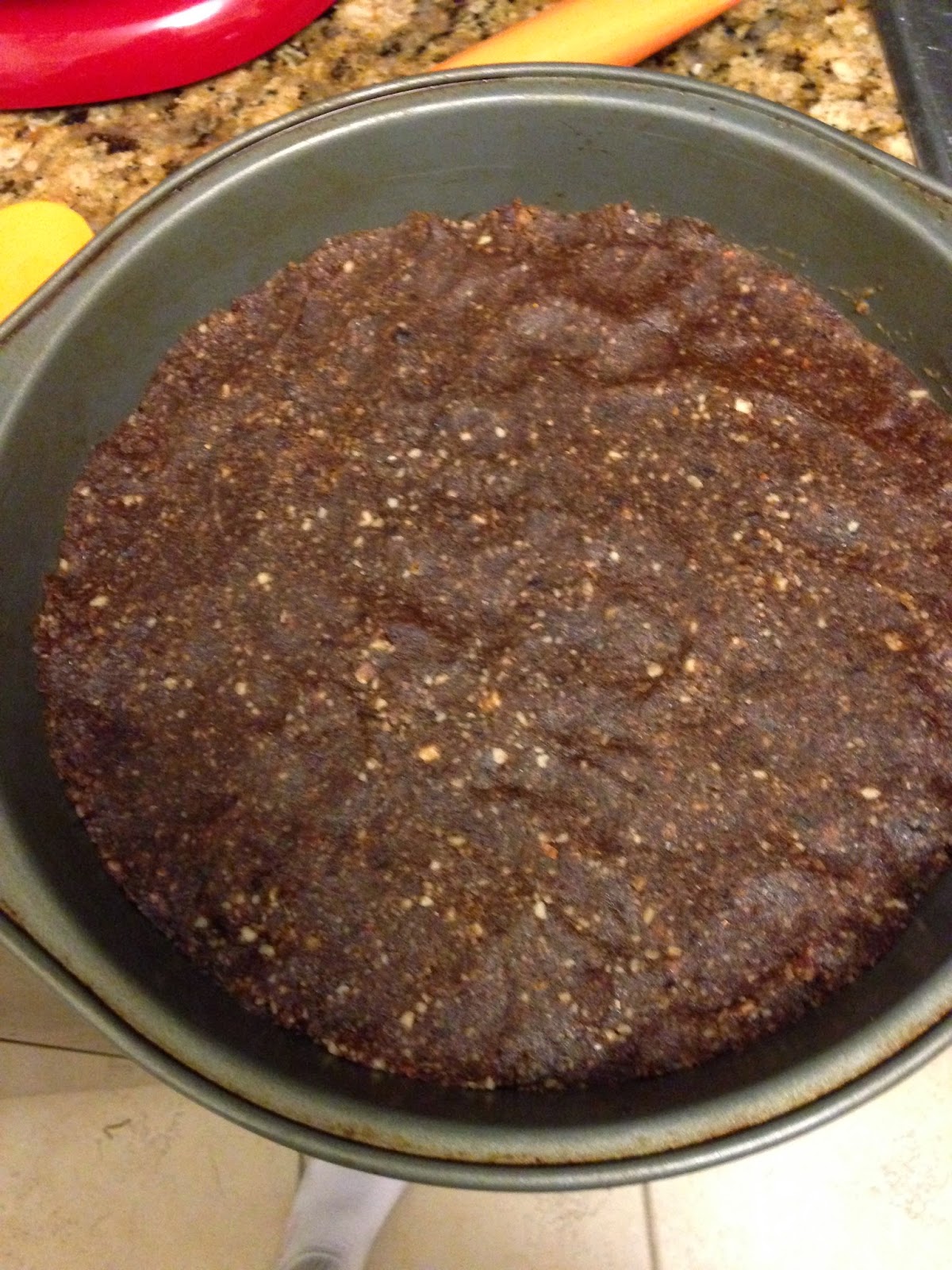
Admittedly, you need to have an ice cream maker or stand mixer attachment for this one, but seriously, once you try homemade ice cream you will never buy store-bought again. I love making dairy free ice cream using a combination of canned coconut milk and almond milk, and the best part is I can adjust the sweetness to taste with organic unpasteurized honey, making it taste way better and substantially reducing the sugar content of store-bought brands. Especially if you buy low-fat or fat-free ice cream, all you are doing is consuming roughly the same calories, but more empty calories in the form of extra sugar to make up for the flavor lost in fat. This peanut butter vegan ice cream was made in my kitchen stand mixer ice cream maker attachment, and poured over a date-almond-cocoa crust for a friend’s birthday party, it was a big hit!


Overpriced  & dry GF bakery items and desserts
The price difference is ridiculous between regular and GF bakery items. If you look at the ingredient list, the first few items listed are often white rice flour, potato starch and sugar, all of which have zero nutritional value and will send your blood sugar soaring. Instead make your own baked goods and desserts at home. It will be cheaper, healthier and taste 100% better I promise. Here are two of my favourite dessert and muffin recipes. For ingredients below, I used PC organics unsweetened applesauce that comes in a pack of 6 individual containers.

Almond butter Banana Muffins with Cacao nibs

1 cup creamy homemade almond butter
1 mashed ripe banana and 1 individual container unsweetened applesauce (or two bananas)
2 eggs and 1 flax eggs or 3 eggs total
1/4 honey (optional, I didn't use because I don't like things sweet)
1tsp cinnamon and vanilla
1/2 tsp ginger
1 tsp baking soda
1/3 cup optional mix-ins (cacao nibs, raisins, craisins, walnuts etc.)

combine all ingredients very well in stand mixer or use hand mixer. Stir in optional mix-ins, I only added cacao nibs because I am a chocolate addict!
pour into prepared muffins tins with paper liners
back at 350 for 15 minutes.
cool and eat, so good!
Makes 10-12 muffins depending on size. Freeze leftovers immediately as these muffins contain no preservatives and will spoil fast on your kitchen counter


Banana Cashew fudge squares
Crust:
1 cup soaked pitted dates
1 cup raw walnuts or almonds
3 tbsp unsweetened shredded coconut (optional)
Filling:
1 small ripe banana, mashed and 1 container unsweetened applesauce (or two bananas total)
¼ cup cocoa powder
¼ cup cashew butter or other nut butter
2-4 tbsp honey (depending on desired sweetness)
1tsp each vanilla and cinnamon


Combine dates and walnuts in a food processor until a ball forms. Add coconut and press into bottom of 8x5 loaf pan.

For the topping, combine banana, applesauce, cocoa powder, cashew butter, cinnamon vanilla and honey in bowl, mixing well. Pour over crust and place in freezer until firm, about ½ hour. Cut into squares and serve or store in freezer. Now get your bum in the get and start cooking!

Thursday, 20 March 2014

Read These Books NOW

I know quite a few people who set a New Year's Resolution to read a new book (or two!) every month this year. I am a big fan of reading for pleasure outside of school or work commitments, and wanted to help contribute to this admirable goal.

I got a Kobo E-reader for a gift last year and although I sometimes miss the classic paperback, the convenient user-friendly format makes reading on the go extremely easy. Two of my favorite books I just downloaded and read are:

The Gifts of Imperfection: Let go of you who think you’re supposed to be and embrace who you are by Brené Brown


And The Mountains Echoed by Khaled Hosseini


After only one day, I was already halfway through Brené Brown’s new book. I first got introduced to her research through a Ted Talk, and have been addicted to her work ever since. This lady is AMAZING, she really knows how to DIG deep, get to the root of your problems and discover what thoughts, feeling or behaviors are preventing you from living your life to the fullest. One great example from the book is perfectionism and it’s destructive role
According to Brené Brown, “Perfectionism is the belief that if we live perfectly, look perfectly and act perfectly, we can avoid the pain of blame, judgment and shame.”
The feeling that we need to be perfect is 100% something I relate to and something that probably everyone has struggled with a some point in their lives. Moreso in the past, I had lots of perfectionism tendencies, whether it came to school, relationships, diet, exercise and even the cleanliness of my apartment. I used to think that if I was ______ (fill in smarter, prettier, thinner, blonder) I would make the people around me love me more, and I would be a happier person overall. This thought process had the exact opposite effect, causing strain on my personal relationships, creating undue stress, and blocking me from living an authentic and worthy life. You can strive to be the best you can be, but this doesn’t mean feeling the need to be perfect. Perfectionism is unattainable, no matter whom you are.
The book also spends a lot of time talking about courage, shame, resilience, love and other very important topics. Her writing it light, insightful and humorous, allowing the reader to connect with her thoughts and I can’t recommend this book enough.


If you have read The Kite Runner or A Thousand Splendid Suns, you will love Khaled Hosseini’s new Book And the Mountains Echoed. Each chapter is a different character’s personal story that leads you across several countries and families over many generations. The book is full of surprising twists and turns, and each new chapter and character will leave you thinking about your life, family, friends and commitment to one and other in whole new light. It focuses on the importance of personal bonds, romantic or plutonic, and I finished the book wanting to call all my family and friends and remind them how much I love them and appreciate everything they do for me.


Happy Reading!

Sunday, 2 March 2014

March SuperFood of the Month Is......Cranberries!

#polarvortex have been the bane of my existence this winter. By now, my plan was to have my bike tuned up, and be biking to midtown each day as a way to increase my exercise and split my subway ride in half. Instead, I have become a connoisseur of the Toronto Path system downtown, the lovely underground walkway that literally connects you everywhere and anywhere without having to go outside. I can tell you the location of each Starbucks, Tim’s, David’s Tea, Longo’s and Subway within the downtown core without ever putting a jacket on. To help get into the spring mood, I did some baking the other day, throwing together delicious lemon cranberry scones that remind me of warmer weather. The combination of coconut and almond flour makes for a yummy high fiber, low-carb and protein rich snack. Side note: gluten-free does not mean low-carb when it comes to baked goodies; most are worst then their gluten filled counterparts as companies use truckloads sugar and cheap white rice flour to make them taste good. This recipe at the bottom of this post, an exception, was adapted from this recipe posted on a great food blogger website, http://alldayidreamaboutfood.com. I didn’t mean to make so many substitutions to the original recipe, but had to do with what ingredients I had on hand during my post-midterm baking fest on Friday.

This recipe turned into inspiration for this blog post, making cranberries the March Superfood of the month. Cranberries are an excellent addition to any diet, these high fiber berries are powerful antioxidants, rich in vitamin C, E and K, and have long been touted for their ability to prevent (not treat) urinary tract infections. This is where is gets tricky because most version of cranberries sold on the market are not the healthiest form. You are likely to find cranberry juice cocktail, which isn’t even real juice and chocked full of sugar (Mean Girls anyone?) and dried cranberries coated in cheap vegetable oil and sweetened with white sugar. I buy whole frozen cranberries from Loblaws, which work well in muffins, loaves and even oatmeal recipes. If you do buy dried cranberries, look for organic cranberries that are sweetened with fruit juice and contain no added sulfites. For women who suffer from UTI’s but don’t want to drink gallons of sugary cranberry juice each day, try taking a D-mannose or a whole cranberry extract supplement to help prevent the adhesion of bacteria to the walls of the urethra, and also drink LOTS and LOTS of water on a daily basis.

Recipe
FYI, this recipe is not paleo friendly because off the Greek yogurt. You could try subbing coconut yogurt or coconut cream at your own discretion. Also, I list the details for each recipe item to give you an idea of what products I used, but don’t feel obligated to have the EXACT same ingredients!

·            1/3 cup Let’s Do Organic coconut flour
·            2/3 JK Gourmet’s almond flour
·            ¼-1/3 cup coconut sugar (depending on desired level of sweetness)
·            2 tsp baking powder
·            1/4 tsp sea Salt
·            1/2 cup Liberte Organic 0% Greek Yogurt
·            2 Free run Omega-3 eggs and 2 ‘flax’ eggs (or 4 large eggs total)
·            1/4 cup fresh squeezed organic lemon juice
·            1 Tbsp Artisana Coconut Oil, melted
·            2 Tbsp grated lemon Zest
·            1/2 tsp Pure Vanilla Extract
·            1 cup unsweetened frozen whole cranberries

Preheat oven to 350°F and line a large baking sheet with parchment paper.
In a large bowl, whisk together coconut flour, almond flour, sweetener, baking powder and salt.
Add Greek yogurt, eggs, lemon juice, coconut oil, lemon zest and vanilla extract and stir vigorously until well combined. Stir in frozen cranberries
Drop by large spoonful onto prepared baking sheet. You should get 8-10 large scones in all. Bake approximately 25 minutes, until firm and light brown
Remove and let cool 5 minutes on pan, then transfer to a wire rack until completely cooled

Store in refrigerator for a few days or freeze.


Sunday, 16 February 2014

WIAW- Winter Edition

Time for my 2nd edition of WIAW. If you find yourself in a food slump and need some meal inspirations for these cold nights, here are some recipes definitely worth trying, all our GF and a few are vegan as well.  Reminder, I am NOT a food blogger or food photographer, I realize my pictures are ugly and taken on my poor quality iphone camera, the purpose of this post is to inspire you to get your bum into the kitchen and start cooking, especially breakfast the MOST important meal of the day!!!

Breakfast- Technically I ate this on Tuesday, but it tastes so good I felt obligated to share this recipe. Tuesday morning we have a practical acupuncture class, which means unlike all my other classes, there isn’t a chance to chow down a quick snack during break. Normally by lunchtime I’ve eaten two breakfasts (pre and post workout) and at least one snack, so I find myself needing a really sustainable breakfast on Tuesday to make it till noon. Enter chia seeds, a nutrition power house and an easy mocha chia pudding you can make the night before. I adapted this recipe from several websites.

1/3 cup strong coffee, chilled
1/3 unsweetened chocolate almond milk
1 tbsp chocolate protein powder (I uses vega energizing smoothie)
dash of cinnamon and real vanilla extract
2 heaping tbsp chia seeds
optional: 1 tbsp honey or maple syrup or almond butter for extra richness

Combine coffee, almond milk, protein powder, cinnamon and vanilla in container, cover with lid and shake well. Whisk in chia seeds, cover and leave overnight in the fridge. In the morning, I topped it off with 3 chopped strawberries for a tasty breakfast. Feel free to sub coffee with all almond milk, or canned coconut milk for a richer pudding.


I’ve tried several DF version of Alfredo sauce from numerous websites and this RECIPE by Oh She Glows is by far the best one I’ve come across. I substituted Natura unsweetened organic soy milk for almond milk (because I only had chocolate almond milk open in my fridge), and left out the earth balance spread because I don’t own any and it still turned out very creamy and great tasting. I threw in some pan-seared scallops, sautéed onion and spinach and used kelp noodles to make a delicious seafood fettuccine Alfredo.  Kelp noodles are a delicious gluten free alternative to pasta; they are low carb and taste good cold on salads or in hot noodle dishes. A lot of gluten-free pastas contain white rice flour aka empty blood-sugar spiking carbohydrates, or corn, which is another common allergen especially for people who are gluten sensitive. I rounded out my lunch with some veggies sticks for crunch and added nutrition.


For an afternoon snack, I had a ton of frozen bananas in my freezer to use up. I’ve made a lot of versions of gluten free banana bread, and this RECIPE by Civilized Caveman is by far my favourite. Its moist, naturally sweetened with fruit, and easy to make. I added only 2 tbsp of coconut oil and used a combo of two eggs and two flax eggs and it held together fine. Can’t wait for some more brown bananas so I can make this again. 


Everybody loves chicken wings, but most people’s bodies don’t love them back. Even though a few frozen brands exist that are GF, I often find the rice flour coating way too thick, the sauce too sugary and very expensive for the portion you get. By comparison, 2 pounds of chicken wings from Sobeys were $8, whereas 1 pound at St. Louis Grill is 12.99. Instead, make your own oven baked chicken wings that taste equally delicious without any coating and much healthier. I served this alongside some broccoli rabe sautéed in olive oil and garlic for a comforting meal that’s perfect on a cold winter night.  I wish I had a recipe for the sauce I used but I really just threw together some ingredients from my fridge, a little ketchup, siracha, honey, paprika, garlic and apple cider vinegar. There are tons of healthy BBQ sauce recipes on the web you can search for. I cooked my wings at 425 degrees, turning after 30 minutes and cooking for an additional 15. They came out juicy, meaty and oh so delicious. (I didn't eat the entire tray in one night although it was tempting) 


BTW, if you missed the chance to check out Winterlicious in Toronto,, I suggest visiting Eat Fresh Be Healthy for an unreal prix fix meal all year round. Located at University and Dundas, they offer delicious three course meals with fresh ingredients and friendly service, a steal at $20 for lunch and $25 for dinner. If you have allergies, call ahead and request because the Cajun coat on the salmon contains gluten but can be ordered plain with fruit salsa and still tastes incredible.


Wednesday, 5 February 2014

Are you guilty of these rookie mistakes?


January is officially over and already I've seen a huge decrease in the number of people at the gym. Two weekends ago it was PACKED, I couldn’t even get on a cardio machine, last weekend I was the only (read single person) in the gym on a Sunday morning. Considering how many people live in the  condos that share our gym, this is pretty sad. This is exactly is why I’m not a fan of resolutions. They are unsustainable and it really angers me to see so many people give up within the first few week; you really need to find the motivation within to stick with it and find a plan that works for you, don’t give up! As people finally started trickling into the gym as I was cooling down, I noticed a couple who clearly fit the New Year’s resolutions stereotype with brand new runners and gym clothes, a beach towel each, two big bottles of Gatorade and enough sweatbands to last them a least 3 hot yoga classes. While I applaud them for making this commitment to a healthier lifestyle together, I couldn’t help but notice the several rookie gym mistakes they made. I have outlined these common mistakes below and I really encourage people who are new to working out to find a good personal trainer and learn to be more efficient, safe and be accountable in their workouts.


1. Static stretching before working out- this couple walked up to the treadmills and preceded to do the typical quad and back stretch before hopping on the treadmills. Numerous studies have shown that static (ie. Standing still) stretching makes exercise performance worse and reduces gains in muscle strength if performed before workouts. Instead, a light warm up of 5 minutes of cycling, walking and dynamic stretching performed properly is way more effective. Save static stretching and a proper cool down for after.


2.  Cardio before strength training- I was first introduced to this topic in my strength and conditioning course in undergrad where the professor was adament that we perform strength before cardio training because cardio is the only thing that should be performed in the fatigued state. This allows for the biggest strength gains, and ensures precise, not floppy form due to tired muscles. I personally like to alternate strength days with cardio days, allowing my muscles to rest and alternate different muscle groups to avoid over training and injuries.

3.  Thinking you will burn more calories in the ‘fat-burning’ zone on the treadmill- the girl on the treadmill was clearly working out in the fat-burning zone, and was barely breaking a sweat at a brisk walking pace. At lower intensity aeoribc exercise, your body prefers to burn stored fat over carbohydrates because our fat stores are, in theory, virtually endless and we can sustain this pace for long periods of time. At higher intensities (sprinting, all out running) our body converts to using carbohydrates for a quicker release of energy. Even though you are burning more fat at lower intensities, the total amount of calories burned during the workout will still be way less. Therefore it’s better to do interval training on the treadmill for a greater caloric burn during and after the workout.


4.  Choosing Gatorade over plain water- CBC just put out a great documentary on this topic and I definitely recommend watching on the link below. Most people don’t workout hard or long enough to need the electrolytes and carbohydrates that sports drink supply in order to maintain their performance. Especialy if you goal is weight loss, these drinks can be extremely counter productive and you can end up drinking the same amount of calories you just burned. A lot of sports drinks are the same thing, a bunch of glucose-fructose (sugar sugar sugar) and some sodium and potassium. You’re way better eating potassium rich foods, ensuring adequate fluid intake of plain water before, during and after workouts and if you must, use a sugar free electrolyte like Ultima if training for over 60 minutes and in hot and humid environments.


http://www.cbc.ca/marketplace/episodes/2013-2014/farther-faster-fitter